

Our team
A team with knowledge, heart and passion.
A diverse range of backgrounds and one shared vision.
Our talented team of music therapists, Directors and Board Members work together to make music therapy services better understood and more available to the community.
Meet our Board members & Directors
Our Board members and Directors are music therapists, administrators, educators and healthcare professionals who want to contribute to the advancement of music therapy, and guide the Institute towards the accomplishment of its mission.
Meet former Members of our Board
Thank you to our former Members of the Board, who supported and accompanied the Institute since its beginnings, in 2016!
Meet our Music Therapists
The professionals on our team are certified music therapists (MTA) and they offer their services by getting involved in the various fields of activities of the Institute, based on their qualifications and their interest. Each person's contribution can be on a limited and short-term basis, or on a regular and longer-term basis, depending on their availability and the nature of the projects.
Meet music therapists that collaborated with us in the past
Thank you to these music therapists who trusted the Institute, helped us to develop and offer services to the community, and contributed to the advancement of our mission!

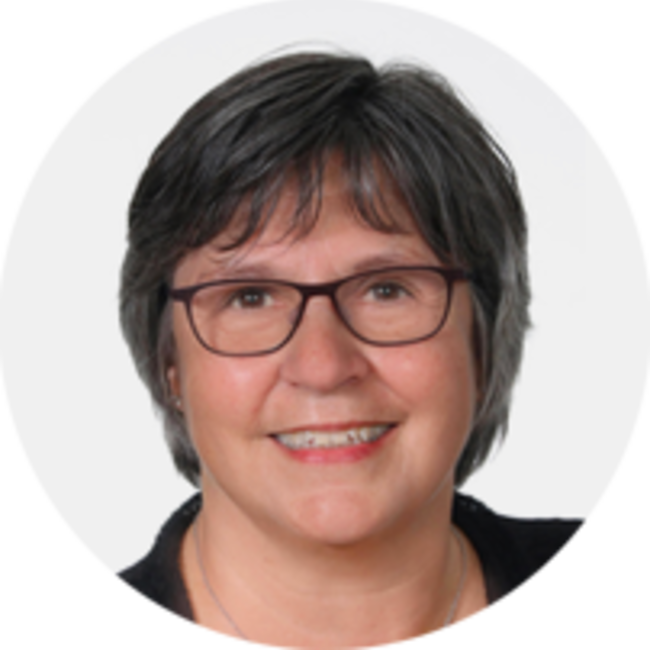
Suzanne is no stranger to tackling issues others see as daunting. In parallel to her professional and family life, her social engagement in the Town of Mount Royal has spanned nearly four decades. Her involvement in the local schools, then as Councillor, Mayor and later as organizer for multiple community events, resulted in receiving the 2019 Award of Merit -Townies of Note. After a 35-year career in business, Suzanne seeks to combine her passion for music and her need to continue helping people: going back to school at Concordia University, she became a certified Music Therapist in 2012. Combining her desire for community involvement, leadership and administration skills, and her qualifications in music therapy, she created the Institute. And she isn’t done: “As far as we’ve come, as proud as we are, there is so much more to be done to make music therapy better understood, valued and appreciated for all its potential benefits, better funded and more widely available".
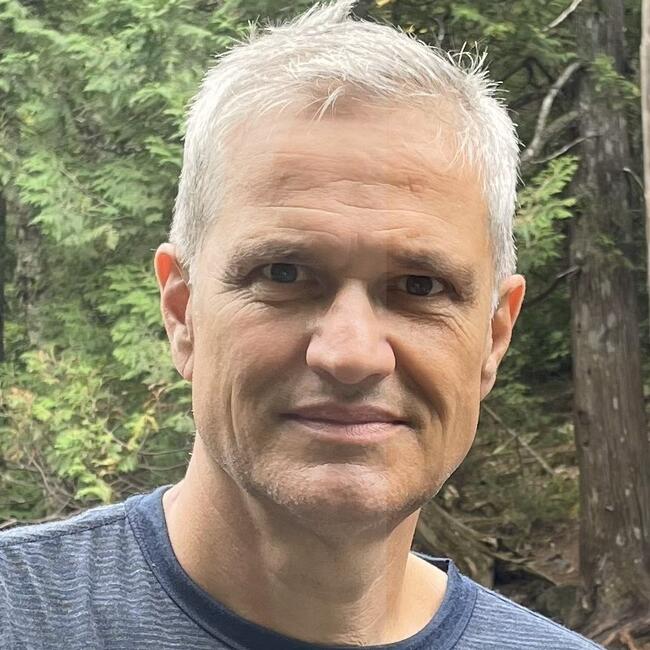
Music has always brought a deep sense of comfort for Jean-Charles. This led him to jazz and to play the saxophone at a time in his life when he was seeking a new balance between professional and family life, wishing for personal growth. According to him, even though the benefits of music are acknowledged anecdotally by the general public, its therapeutic dimension remains underappreciated. Having already served on several boards of directors, including that of a musical organization, the Institute's mission resonates particularly strongly with his interests and life journey. With his experience in governance, his qualifications as a researcher and professor at the National Institute of Scientific Research (INRS), and his multimedia communications skills, Jean-Charles is committed to contributing to the Institute's vitality and outreach, and to the advancement of music therapy.
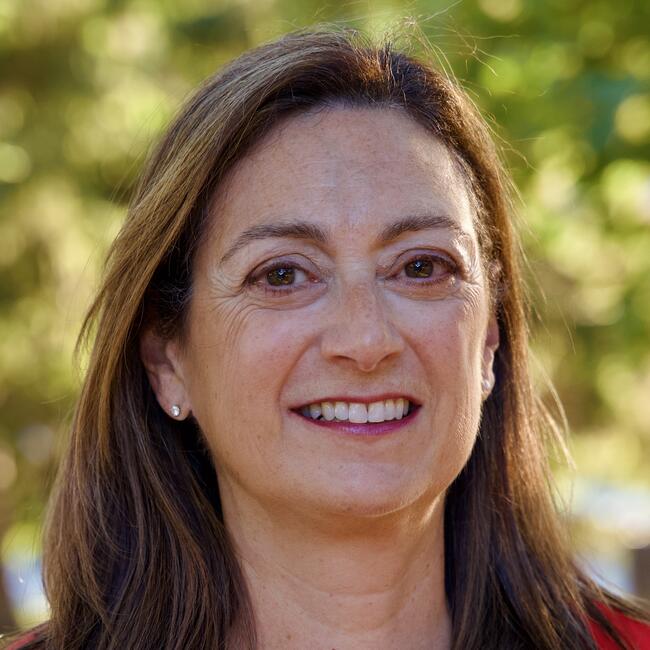
In her 38 years of physiotherapy practice, both as a clinician and a clinic owner, Mariane understands the word "therapy" to mean not only physical well-being, but also support, mutual aid, encouragement, and compassion for diverse clientele. Early in her career, her experience working with dancers from Les Grands Ballets Canadiens allowed her to recognize the need for collaboration and the importance of a holistic approach. A piano graduate from the Montreal Conservatory of Music, it seemed only natural for her to combine these two worlds: therapy and music. She enthusiastically chose to become involved with the National Music Therapy Institute, and to support music therapists—professionals who, with their musical and therapeutic skills, can help a wide range of people. Mariane is particularly keen to contribute to the development of initiatives that will provide more support for caregivers and other vulnerable and isolated individuals.
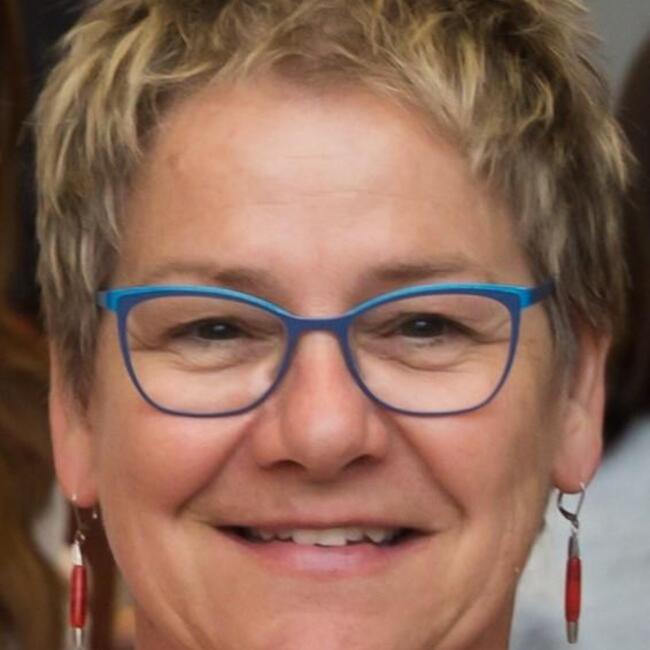
For Guylaine, who started playing the piano at six years old, there has hardly been a time when music wasn’t part of her life. Her second passion was caregiving, so her early training brought her to a nursing career. But she felt strongly that music has a role to play across the spectrum of healthcare and community involvement, so she returned to school for a music therapy degree. Today, Guylaine specializes in mental health and palliative care services. From the earliest premature infants to support for the eldery and their caregivers, she believes that music therapy can reach beyond many cognitive and physical limitations. To her, the Institute fulfills a critical community role, providing valuable resources, making music therapy more widely available, and mentoring the next generation of music therapists. There is more, she says, to discover and explore, and the Institute is at the center of that progress.
From the outset in 2016, Debbie supported the Institute's mission, drawing on her more than 38 years of experience in medical practice, during which she observed a marked disconnect between the medical community and the field of music therapy. General practitioners make it their duty to be familiar with the range of complementary treatments available to their patients; however, their lack of knowledge or misunderstanding of what music therapy is, seems to prevent them from using it as readily. Debbie sought to understand why and to find ways to bridge this gap, encouraging initiatives to promote music therapy and its benefits within the health and education sectors, and to increase its visibility in the community and the general public. We thank her for her involvement in the development of the Institute's website, a key tool for disseminating and sharing knowledge, including its database of scientific publications and other references supporting the use of music therapy. It was an honor to be able to rely on her as treasurer and ambassador for the Institute, and for music therapy.
Involved since the Institute's foundation in 2016, Gaëtane applied her organizational skills and over 40 years of experience as a teacher, a school principal and as a supervisor for future teachers, for the benefit of the Institute. She started educational services for students with ADHD, developed and evaluated intervention plans tailored to children special needs, and encouraged the production of a play with students who were recent immigrants, which culminated in a documentary film entitled Bagages. Thanks to her professional background, she provided invaluable guidance during the development of the Institute’s pilot projects and for various educational and awareness initiatives. It has been a privilege to have Gaëtane aboard for nearly 10 years, with our thanks and appreciation for her contribution to the growth of the Institute and its impact on the field of music therapy.
For as long as she can remember, Alejandra always had a song in her heart, a pep in her step, and a compassion for the human condition. Becoming a music therapist merges her love for music and a passion for serving others. She has a bachelor’s degree in music therapy obtained in the United States (2018) and a certification as MTA (2019); she is a Neurologic Music Therapy Fellow (2022) and completed her master’s in music therapy at Concordia University (2025). Alejandra has worked with clients of all ages and backgrounds, across North America and Latin America. She coordinated a music therapy clinic for 4 years, offering music therapy sessions, supervision and administrative services. She is excited to join the Institute to contribute to the advancement of its mission, with an inspiring desire to also reach out to the Hispanic Community.
Drawn to music from a young age, Marie-Jeanne has training in classical piano and flute. After completing a bachelor’s degree in Cognitive Neuroscience at the Université de Montréal, she discovers music therapy, feels a natural calling, and goes on to obtain a Graduate Diploma in Music Therapy at Concordia University. Her natural ability to connect with others and put them at ease supports the creation of a therapeutic alliance through music. She has been contributing to the Institute’s projects since January 2025. Making use of the transformative power of listening and musical play, Marie-Jeanne seeks to facilitate an experience of beauty by addressing the person as a whole, grounded in each individual’s reality and in the here and now.
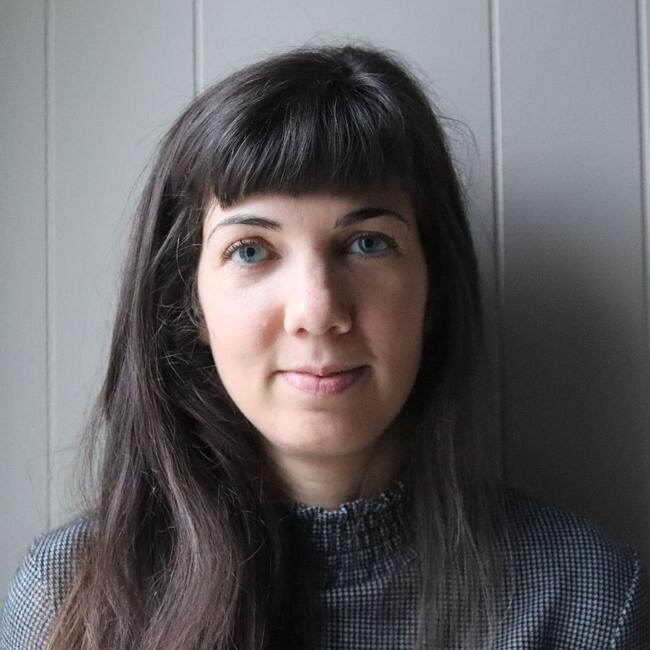
As a professional bassist and double bassist, rhythm and balance have always been essential components of Claudia’s life. For her, music therapy is a natural extension of her passion for music and her strong desire to help others. As a music therapist, she has also found a balanced expression of her personal and professional values and beliefs. In her work helping people with mental health issues, mental disabilities and autism, she has seen the enormous impact the arts can have on wellness and wellbeing, on both an individual and a community level. As a musician-author-composer-interpreter, Claudia continues to explore and share her artistic expression and musicality, while using it also to the benefit of others.
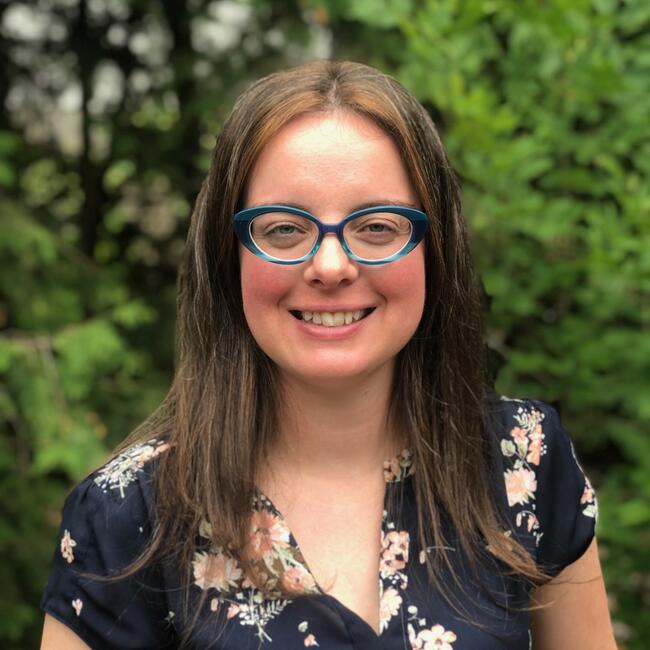
With a master's degree in music theory and a certified music therapist since 2012, Méliane uses music to connect with people and help them live their lives to the fullest. She worked in social pediatrics and palliative care for young people, as well as with neurodivergent children and adults, and with multiple disabilities According to Méliane, music therapy allows those who benefit from it to grow, develop new skills, and experience hope and moments of connection. In 2023-2025, she actively contributed to the advancement of the National Music Therapy Institute’s mission, developing and offering a Discovery Workshop to various organizations, producing a training module about music therapy in palliative care, launching music therapy services for a group of adults living with disabilities, enriching the website's content, and increasing the Institute's visibility on social media. President of the Quebec Association of Music Therapy (AQM) since 2025, she collaborates with the Institute on an ad hoc basis, while studying in the PhD in Interdisciplinary Research in Music program at the University of Ottawa.
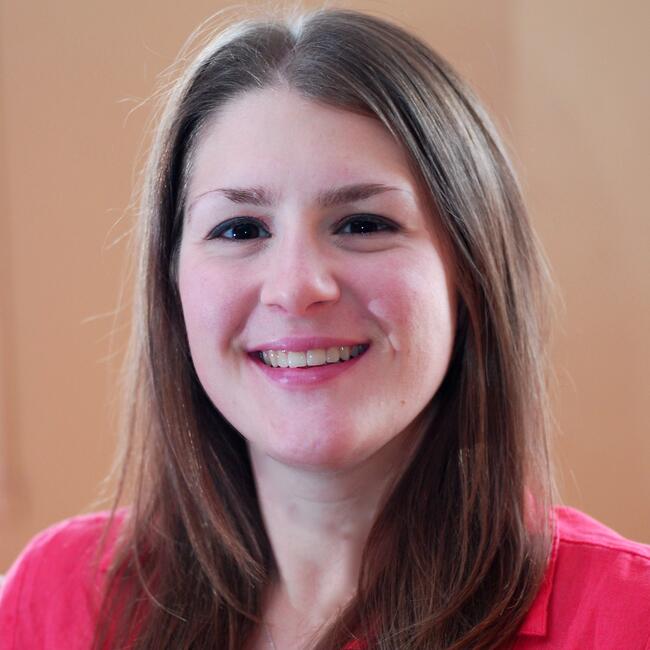
Since her childhood, Tanya plays piano, adores singing, and loves working with people, especially kids. Seeing that music therapy allowed her to combine this love of music and her desire to help others, she completes a Bachelor’s degree (2008) and a Master’s degree (2010) in Music Therapy. She works in particular with children with special needs, and has experience with premature infants in a hospital setting. Music is engaging and motivating, and music therapists use this universal language to facilitate interactions, all while adapting their approach to the needs and objectives of each client. Research in music therapy, neurosciences and psychology demonstrates the benefits of judicious use of music. In addition to her clinical work, Tanya offers mentoring services to newly graduated music therapists.
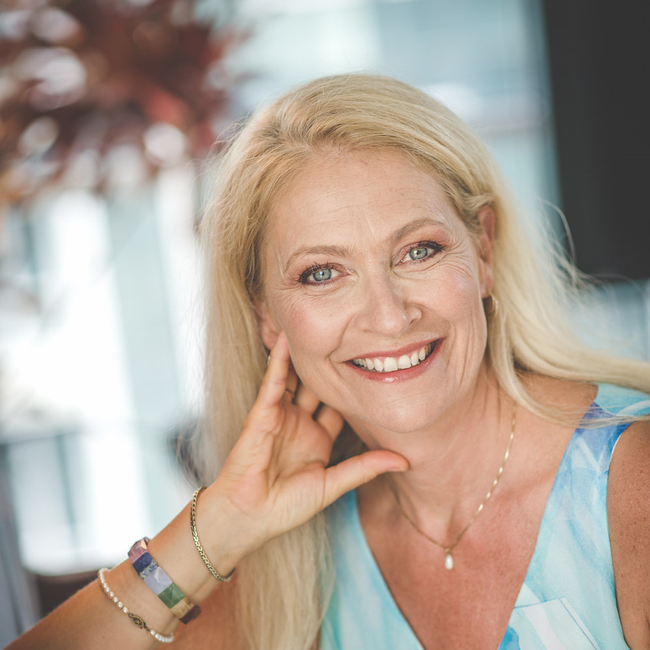
After going through the devastating loss of her unborn child at 6 months pregnant, Martine became a volunteer in an organization that offers grief support. An accomplished musician, and after experiencing the healing power of music first hand, she returned to school and became a certified music therapist, which then enabled her to use music in the context of a professional therapeutic approach. This led her to develop music therapy programs for grieving people, to help them feel less isolated and facilitate the expression of their emotions, in a caring, sensitive and compassionate environment.
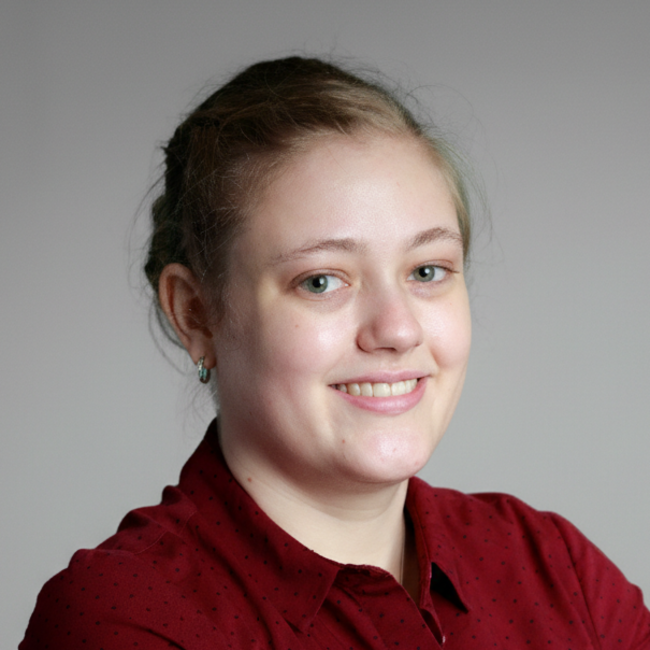
As an autistic individual, music has been incredibly important in Lianna’s development, and it helped her reach her full potential. Based on her own experience, she found that the field of music therapy was the natural response to help other disabled individuals. Her main areas of expertise and interest are in disability-affirming approaches, especially in the context of disabled children. She became a certified music therapist (MTA) in 2018 and completed her master’s in music therapy in 2020. She is currently doing a PhD at Concordia University, while collaborating on projects with the Institute, in particular its database of resources and references. Lianna hopes that her work will help other music therapists to access useful information, responding to their needs while advocating for themselves and their clients
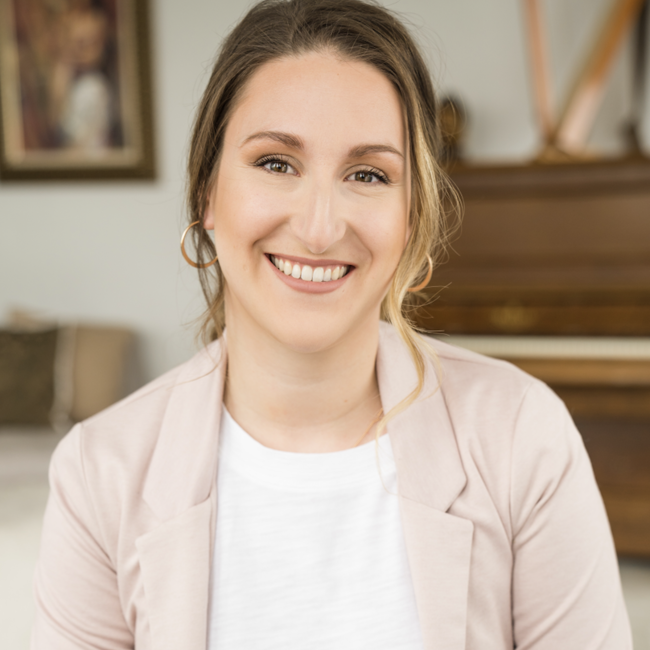
With a bachelor's degree in jazz vocals, Valérie is a certified music therapist (MTA) and holds a master's degree in music therapy (MA, 2021). Always passionate about voice and music as vehicles for expression and connection, her commitment to music therapy stems from the convergence of her love of music and her desire to support those who can benefit from it. Convinced that music therapy can foster communication, support mental well-being and personal development, Valérie sees this discipline as a valuable response to the challenges of our time and a promising force for the future. Her collaboration with the Institute allows her to further advance and promote the profession, and to support initiatives aimed at increasing understanding of music therapy and making it more accessible to a wider range of clients.
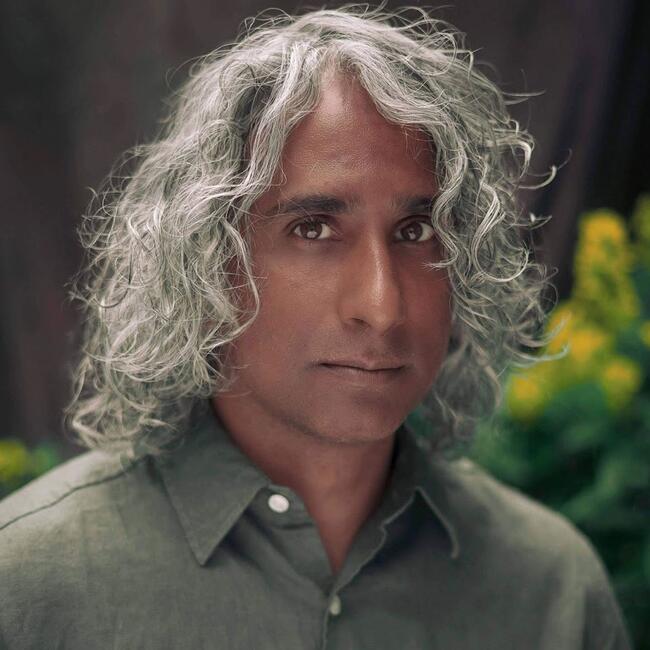
As a professional international touring musician, Stephen has long been interested in how music can evoke emotional states and support wellness in people from varied backgrounds, in unique and powerful ways. This interest led him to become a certified music therapist (2016), obtain his master’s in music therapy (2017) and his PhD (2025) at Concordia University. Stephen has worked with individuals across a wide range of settings and needs, including adults with disabilities, at-promise youth, people living with mental health issues, veterans and stroke survivors. He has seen firsthand the profound impact music therapy can have on people’s lives. Stephen values the Institute as a space created by music therapists, for music therapists and their clients, providing them a welcoming environment that supports effective practice and, most importantly, helps clients achieve their therapeutic goals.
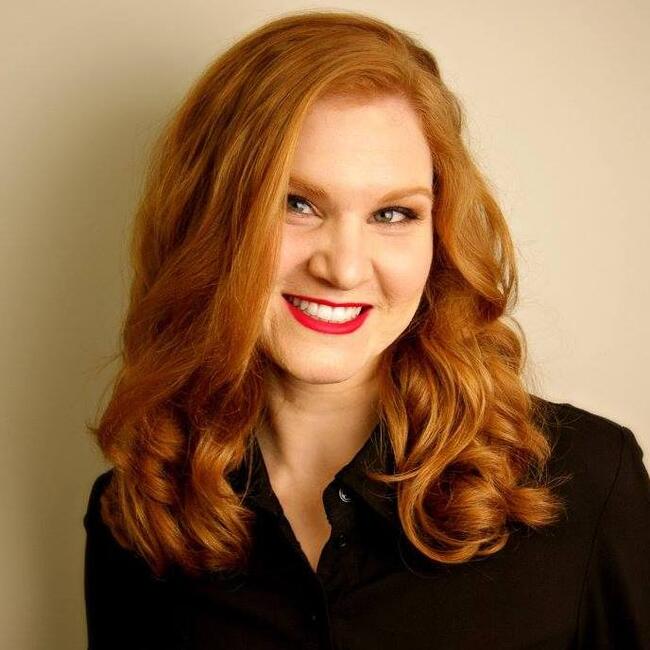
By the age of 14, Samantha could already sense that music could help in the processing of emotion, and her journey toward music therapy began. During the pandemic of COVID-19, she joined the Institute to develop and offer online music therapy services to a caregiver during almost 2 years. Today, she specializes in palliative care music therapy, meeting people at the end of their lives to provide support to them and their families. From facilitating legacy projects, in which a person creates and passes on a unique musical artifact, to helping caregivers and loved ones process and grieve, Samantha is uniquely equipped to help those dealing with loss, mortality and the unknown. To Samantha, music therapy has the capacity to meet us in our loss, giving us a way to access clarity through expression, connecting us to others and to something greater than ourselves in times of suffering. Samantha has a Master of Arts in Music Therapy from Concordia University.
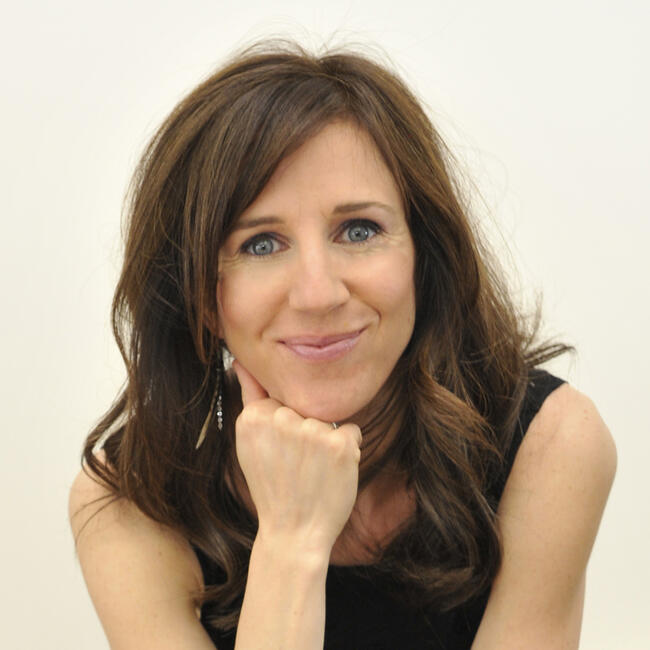
Nadia says that she was born in a cradle of music, and that she became interested in music therapy since her teenage years. An avid musician and humanitarian, she has studied the world through multiple musical genres, from classical to jazz, to traditional music from Québec and Eastern Europe. Her open-mindedness colors her practice, reaching out to help people facing various challenges, including substance abuse, developmental disorders, autism, palliative care and caregiver support. Nadia also works with young immigrants, developing a program to support and facilitate their school integration. In 2021, Nadia collaborated with the Institute offering online music therapy services to a group of caregivers of family members with mental health issues. She then developed an online pilot project with the Institute for a palliative care center in her region (Quebec area): this led to the integration of music therapy services in that center. A committed musician forever interested in culture, Nadia believes more than ever that the arts play an essential role to help us find our own truth, as well as beauty and understanding around us.
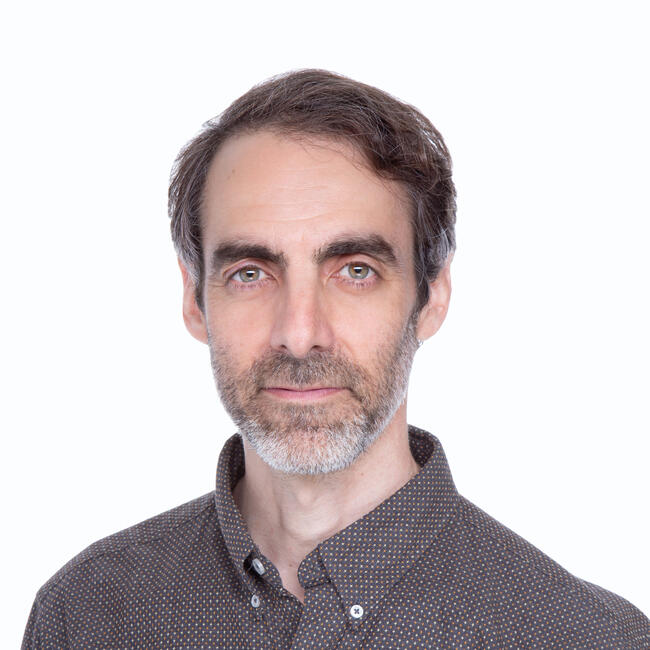
Dan Misha Goldman holds a BFA in Jazz Performance and an MA in Creative Arts Therapies, both from Concordia University. He believes in cultivating a safe and trusting environment, where creativity, emotional expression, self-compassion and authenticity can flourish. Drawing on 20-years as a professional musician, Dan engages clients using a relational, music-centered approach that is based in songriting, composition and improvisation. As a music therapist with the Institute, Dan has facilitated group music therapy programs for Syrian/Armenian young adult newcomers. During the pandemic COVID-19, he also co-created a training program for music therapists entitled “Adapting Your Practice To Online Music Therapy,” which was offered by the Institute in partnership with the Canadian Association of Music Therapists (CAMT) and Concordia University. Dan continued his journey working as a music therapist at the Teresa Dellar Palliative Care Residence, also maintaining a small private practice. He later completed a graduate program at Université du Québec à Montreal in mindfulness studies for therapists, and is currently continuing to develop his professional skills as a full-time student at McGill University.

Eleanor first became interested in music therapy because of its ability to connect people. She has worked with clientele in long-term care, day program, mental health, community, online and academic settings, and she sees first-hand that music therapy is capable of reaching diverse groups and contributing to important social change. In her work, she draws from humanistic, resource-inspired, feminist, anti-oppressive and community music therapy approaches to meet the individual needs of each client. Eleanor has a Bachelor of Music from the University of Toronto, and a Graduate Diploma and Master’s degree in Music Therapy from Concordia University. She specializes in classical voice, but sings in a wide variety of musical styles and plays the piano, guitar and ukulele. In 2020, as the world was facing the COVID-19 pandemic, Eleanor joined the Institute to help us develop and launch our 1st pilot project, in partnership with Autisme Montréal, offering individual online services; when in-person services became again possible, her clients could choose to continue online or come at the Institute for their sessions. Her collaboration lasted for 3 years, until the end of the project. She now works full-time at a school dedicated to serve autistic children.
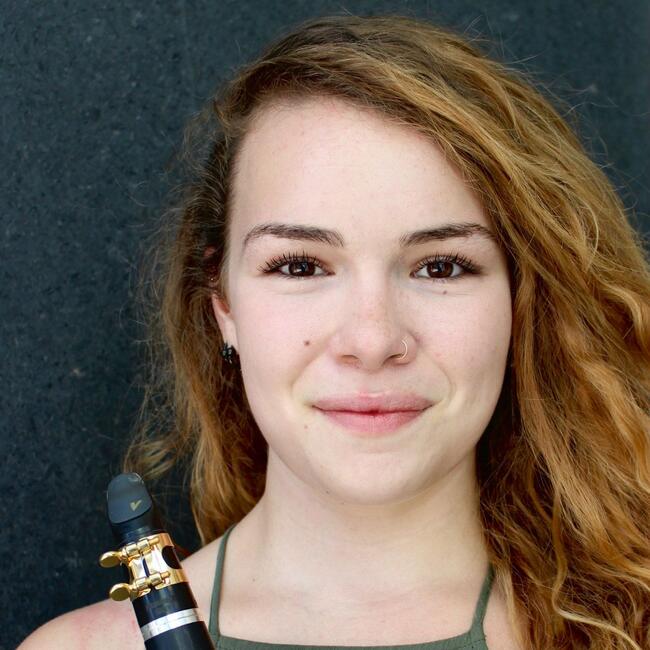
For Rachel, the intersection of music and psychology cemented during her academic training. She began by getting her bachelor’s degree in clarinet performance with a minor in psychology at McGill. She continued her graduate studies in music therapy at Concordia University, obtaining a master’s degree with a thesis that explored the theoretical foundations of attachment theory and music therapy. She has taught early music skills to preschool-aged children, worked with children with significant disabilities and impairments and with adults with developmental disabilities, as well as providing services for at-risk mothers and children. Rachel is inspired by the potential benefits of music therapy for vulnerable families, and wishes that it becomes more easily accessible for that population. During the COVID-19 pandemic, she joined the Institute to develop a pilote project in partnership with La Maison Bleue, for online services offered to pregnant mothers and their young children, living in vulnerable conditions. She then moved on to work in a school for children with disabilities.
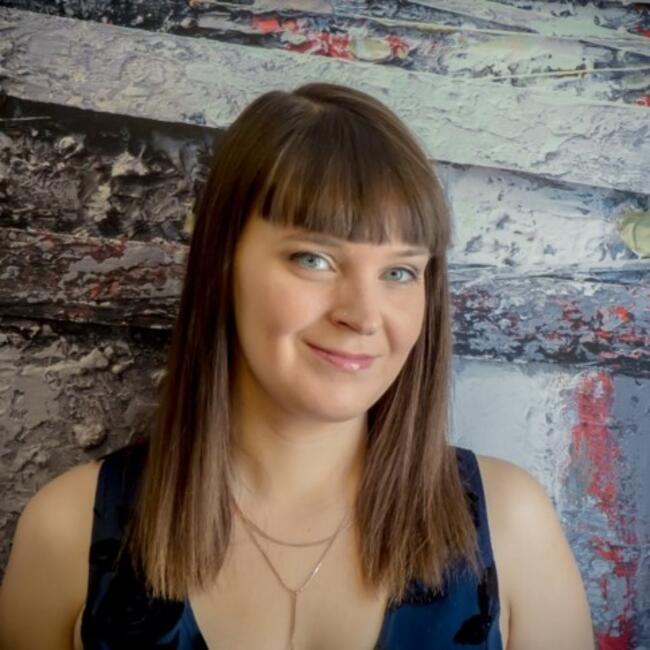
Sophie, a soprano singer, choral artist, and percussionist, dedicated seven years to serving as a music and vocal instructor for underprivileged children in the Hochelaga-Maisonneuve area of Montreal. During this time, she recognized the transformative power of music and subsequently decided to pursue a career as a music therapist, driven by the desire to further harness the healing potential of music. Sophie's pivotal experience came during her internship at a physical and neurological rehabilitation center, which deepened her connection to this particular clientele. She discovered that music could serve as a conduit for the expression of deeply buried emotions, enhance verbal and musical connections, promote overall well-being, and aid in the process of learning and rehabilitation. Music, as a universal language, is intrinsic to the lives of individuals of all ages, backgrounds, and cultures. Sophie aspires to see music therapy gain wider recognition and increased accessibility to benefit those in need. Working with the Institute from May 2023 until August 2025, she developed and offered group music therapy services to dyades composed of adults living with aphasia accompanied by their caregivers. She currently works with hospitalized patients in Palliative Care.
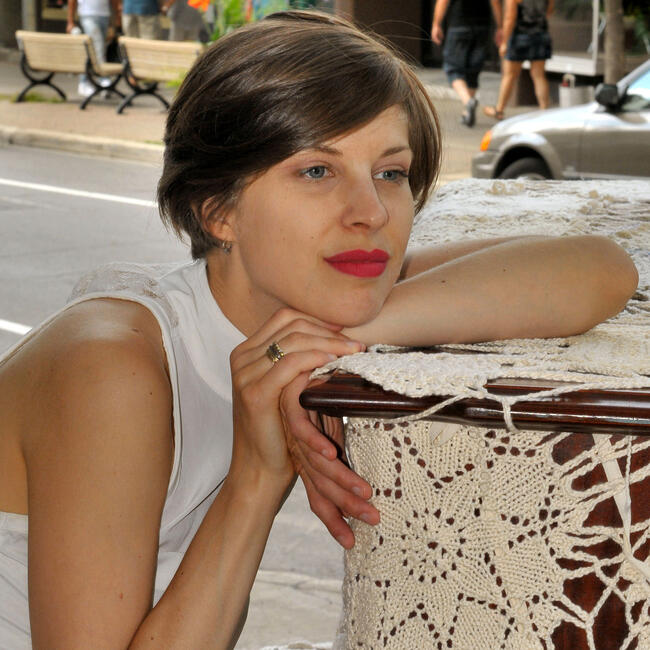
When asked why she became a music therapist, Marie-Fatima’s answer seems simple: her goal is to help people. Her commitment is rich and multidimensional. She offers palliative care services because she likes helping clients find grace and beauty in the fragility of the end of life experience. She works with non-verbal children and adults because she sees music as a form of expressive communication that lets her guide individuals to their own personal musical language. She enjoys working with clients with autism because it lets her uncover and celebrate each client’s unique talents, strengths and challenges. Between 2020 and 2022, Marie-Fatima collaborated a few times with the Institute to offer a Discovery Workshop to groups of adults who were members of Autisme Sans Limites. As Marie-Fatima points out, it is easy to feel discouraged or alone when life is uncertain. She believes music therapy can offer a beacon of hope and moments of beauty and authenticity.